Influencer Marketing and Social Media

Social media became an important part of modern marketing.
Influencer marketing has become one of the most popular marketing strategies on social media today. Many companies now work with influencers to promote products and connect with consumers online. Platforms like Instagram and TikTok changed the way people discover brands, especially younger generations who spend a lot of time on social media every day. Instead of only trusting traditional advertisements, many consumers now pay more attention to recommendations from influencers they follow online.
One reason influencer marketing became so successful is because influencers usually seem more relatable than celebrities. Many people feel that influencers are more honest and closer to real life, especially when they share personal experiences, reviews, or daily routines online. Because of this, influencer recommendations can strongly affect purchasing decisions. Today, many consumers discover products through TikTok videos, Instagram posts, or online reviews before deciding to buy something.
Another important trend is the growth of social commerce. Many social media platforms now allow users to buy products directly through applications after seeing influencer content. This makes online shopping faster and easier for consumers. Content such as product reviews, “get ready with me” videos, tutorials, and fashion hauls became very popular because they help people learn more about products in a more entertaining way. In my opinion, this also makes marketing feel more natural compared to traditional advertisements.
Many brands from different industries use influencer marketing today. Beauty and fashion brands are especially active on social media because these industries depend heavily on visual content. For example, brands like Fenty Beauty often work with influencers whose style and personality match the company’s image. Food, travel, and fitness companies also use influencers to promote products and experiences online. Platforms like Instagram and TikTok are very important for these industries because visual content usually attracts more engagement from consumers.
Another growing trend is the use of micro influencers. These influencers may have fewer followers, but they often have stronger relationships with their audience and higher engagement rates. Many consumers trust smaller influencers because their content can feel more genuine and less commercial. Because of this, many companies now prefer long-term partnerships with influencers instead of short campaigns with celebrities.

Many consumers discover products through social media applications.
However, influencer marketing also has some disadvantages. Many consumers are becoming more careful about sponsored content because some advertisements can feel fake or unrealistic. Younger audiences, especially Gen Z, can quickly notice when a partnership does not seem authentic. Diversity and representation are also becoming more important in influencer marketing because consumers want to see different cultures, identities, and communities represented online.
In my opinion, influencer marketing became so popular because people spend a large part of their time on social media and enjoy content that feels entertaining and relatable. Sometimes influencer content does not even look like advertising, which can make products seem more attractive to consumers. However, I think people are starting to become more selective about the influencers they follow and the products they buy online. Because of this, brands will probably need to focus more on creating genuine connections with audiences instead of only trying to sell products quickly.
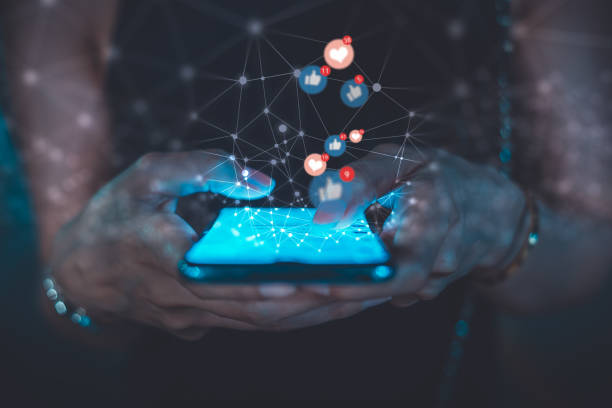
Influencer marketing can strongly affect purchasing decisions.
References
Sprout Social. (2024). Influencer Marketing Trends.
Statista. (2024). Influencer Marketing and Consumer Behaviour.
Hootsuite. (2024). Social Media and Influencer Marketing.
Social Media Today. (2024). Influencer Marketing Trends on Social Media.
Business Insider. (2024). The Growth of Influencer Marketing.
Create Your Own Website With Webador